







Search Results for: Tornado Pour-Over
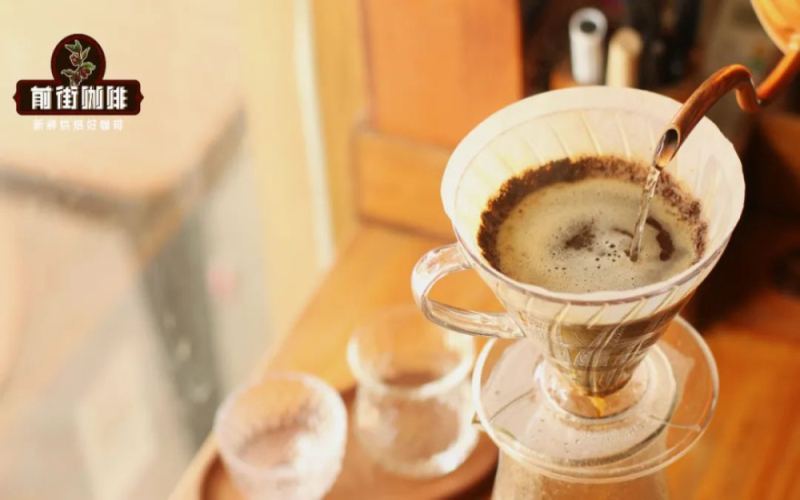
How to brew with the one-pour tornado pour-over method? A full breakdown of pouring technique, parameter settings, and flavor performance
In the exploration of pour-over coffee, enthusiasts always manage to create eye-catching new brewing methods. Today, Front Street Coffee is going to try the "one-pour tornado brewing," an aggressive technique that combines the traditional one-pour method with cyclone-style pouring. It divides the target water volume into two stages—blooming and main extraction—without pausing in between, and then creates a whirlpool through rapid circular pouring and a large, fixed-point stream, resulting in higher extraction efficiency and a thicker body. However, this technique places extremely high demands on flow control and parameter coordination, and it is not suitable for all beans. This article will break down the operational steps of the one-pour tornado, parameter adjustments, comparisons with the conventional one-pour method, and recommendations for suitable bean types, giving you a comprehensive understanding of this brewing method that is both visually striking and challenging. [more…]
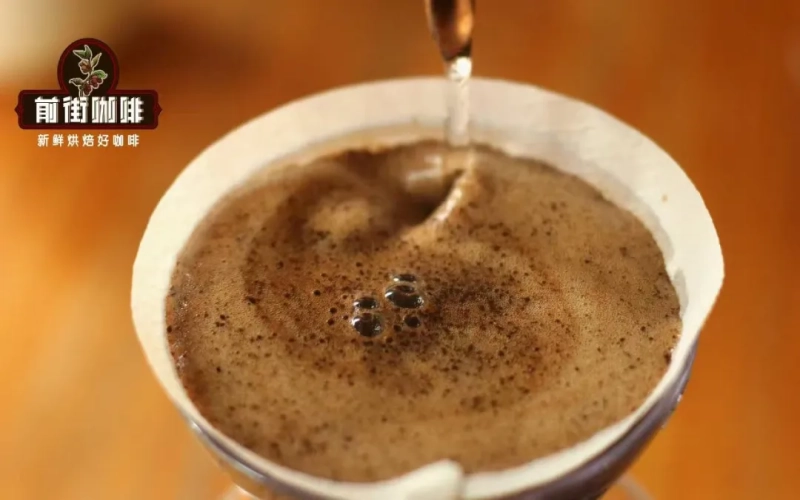
How to Brew with the One-Pour Tornado Hand-Drip Method? Core Differences from Three-Stage Pour-Over and Detailed Practical Parameters
Among the many pouring techniques in pour-over coffee, the single-pour method is widely favored for its simplicity and efficiency, and the "single-pour · tornado" derived from it attracts many enthusiasts with its strong visual impact and unique extraction logic. From the perspective of Front Street, this article systematically explains how this fancy brewing method creates a vortex in the dripper, why it is harder to control than the regular single-pour, and how to compensate for the loss of extraction efficiency by adjusting water temperature, grind size, and dripper type. The article also includes a complete brewing demonstration, using 18g Panama Butterfly, a 1:15 coffee-to-water ratio, and 96°C water temperature, ultimately achieving a 19.7% extraction yield and clear flavor expression, suitable for readers who want to advance their pour-over skills. [more…]
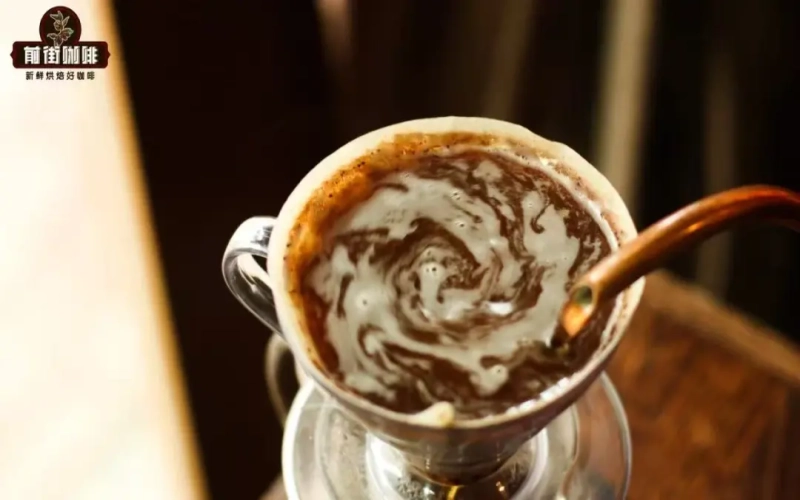
How to brew pour-over coffee with the one-pour tornado method? A detailed guide to pouring technique, grind size, water temperature, ratio, and staged pouring key points
The one-pour tornado is a pouring method in pour-over coffee that combines visual appeal with difficulty. It requires injecting a large amount of hot water in a short time, using a strong pushing force to form a high-speed rotating funnel-shaped vortex in the dripper. Based on Front Street's practical experience, this article systematically explains the two major difficulties of this brewing method, the approach to parameter adjustment, and the complete steps: including grinding about twice as fine, increasing the water temperature by 3 to 5°C, maintaining a coffee-to-water ratio of 1:15, and the specific technique of completing the pour in two stages after blooming. It also explains the choice between V60 and Kono drippers, and shares the flavor performance of Front Street Finca La Divisoria · Sidra under the one-pour tornado brewing method, for coffee enthusiasts to try at home. [more…]
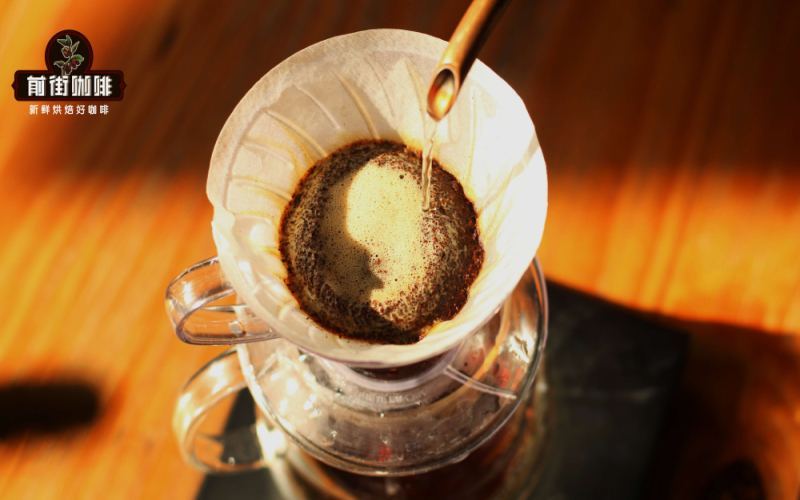
Front Street Coffee Pour-Over Huakui 8.0 Coffee Tutorial: A Detailed Guide to Grind Size, Water Temperature, and Coffee-to-Water Ratio
To brew a delicious Huakui coffee at home, mastering the core parameters is key. Front Street Coffee is often asked how to brew a good cup of coffee. In fact, aside from human factors, the four major elements that determine coffee flavor are dose, grind size, water temperature, and coffee-to-water ratio. This article uses Front Street Sidamo Huakui 8.0 as an example to explain in detail the pour-over parameter settings and the three-stage pouring technique, from 15g of coffee, a 1:15 coffee-to-water ratio, and 91°C water temperature to a grind size with an 80% passing rate, with specific operating instructions for each step. Huakui 8.0 uses the traditional natural process and features rich flavors of honey, berries, guava, jackfruit, and more. It is affordably priced and very suitable for beginners as a practice daily coffee. [more…]

Pour-Over Coffee: Water Pouring Technique vs. Coffee Beans—Which Matters More? An In-Depth Analysis from Extraction Principles to Front Street Coffee in Practice
In an era where self-media tutorials are everywhere, beginners often blame their brewing technique when coffee doesn't taste good. But can technique really turn something mediocre into something magical? Starting from the dissolution patterns of flavor compounds, this article analyzes how the alternation of washing and soaking during pouring affects extraction efficiency, and uses the comparison between the three-pour method and the one-pour method as an example to reveal the source of differences in sweetness. At the same time, through blind tasting experiments, Front Street Coffee shows that what ultimately determines the ceiling of a cup of coffee is still the beans themselves. Technique can only add the finishing touch; choosing the right beans is the key. [more…]
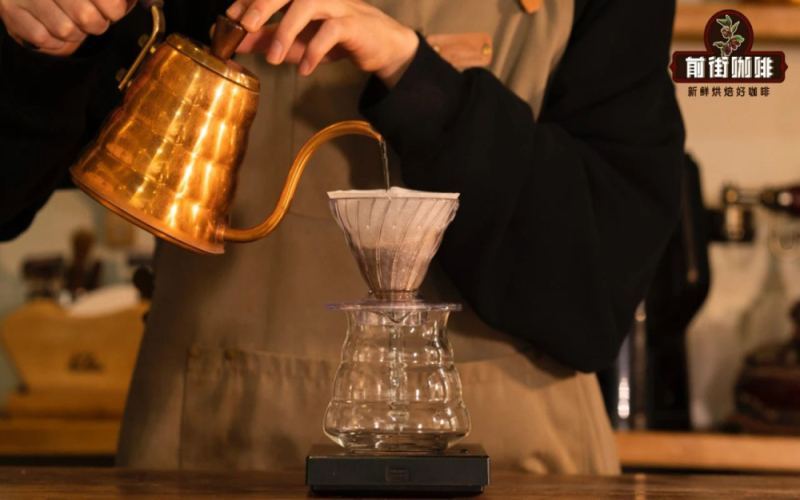
Pour-Over Coffee Grounds-to-Water Ratio and Key Brewing Points for Huakui Beans: An Analysis of Dose, Grind Size, Water Temperature, and Pouring Rhythm
To consistently brew a good cup of coffee, you can't get around the basic parameters of dose, grind size, water temperature, and coffee-to-water ratio. Once these are set reasonably, the remaining variable mainly comes down to pouring technique. This article focuses on these core steps, explaining the interplay between bed depth, extraction yield, and strength, and provides a three-pour approach suitable for beginners. It then uses the 2025 new-crop Natural Hualkui as an example to walk through a practical routine of 15 g coffee, 1:15, 91°C, and an 80% passing rate, while clarifying the concepts of Hualkui and Geisha that are often confused. The article also includes Front Street Coffee-related product and article recommendations. [more…]
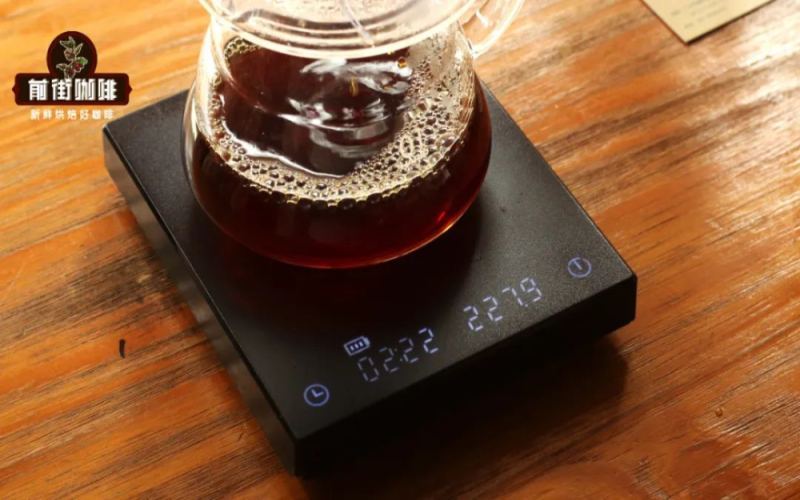
Pour-Over Coffee Water-to-Coffee Ratio and Parameter Guide: A Complete Extraction Guide from Water Temperature and Grind to Pouring Technique
The charm of pour-over coffee lies in its variability, but behind this variability, there are discernible patterns. Many enthusiasts follow tutorials to brew, yet the taste fluctuates—sometimes good, sometimes bad. The problem often lies in mastering the core parameters. Drawing from Front Street Coffee's production experience, this article systematically outlines the six major factors affecting pour-over flavor: water temperature, coffee-to-water ratio, grind size, pouring technique, time, and water quality. Among these, how to choose the water temperature range, how the coffee-to-water ratio balances extraction yield and concentration, why grind size is of utmost importance, and how to adapt pouring techniques on the fly are all broken down one by one with specific cases and recommended bean lists, helping you find consistent good taste amidst constantly changing parameters. [more…]

Manner teams up with LV to launch a co-branded coffee cup, making a limited appearance during the Aranya menswear show
Manner Coffee has once again crossed over into a collaboration, and this time the partner is none other than the luxury brand Louis Vuitton. On September 16, LV will hold its Spring/Summer 2023 menswear show at Aranya Golden Coast, and for this occasion the two parties have teamed up to launch two limited-edition coffee cups, to be used at the Aranya store from September 10 to 18, and will also be offered simultaneously at two designated stores in Shanghai and one designated store in Beijing from September 15 to 16. This is not the first time the two sides have worked together; as early as the 2018 LV event, a Manner coffee cart appeared, but this is the first time they have truly collaborated and invited a Paris design team to create the cup design. This article takes you through the details of the collaboration cup design, the event arrangements, and surrounding highlights such as LV's newsstand in Aranya. At the end, there is also Front Street Coffee's specialty bean recommendation that you won't want to miss. [more…]
A Complete Guide to Pour-Over Coffee Parameters: Water Temperature, Coffee-to-Water Ratio, Grind Size, and Pouring Techniques with Step-by-Step Illustrations
What variables should you actually control to brew a balanced pour-over coffee? Among the six key factors—water temperature, coffee-to-water ratio, grind size, pouring technique, time, and water quality—the first four have the most direct impact on flavor. This article uses diagrams to break down the logic behind each parameter and how to adjust it, helping you move past the misconception that "a 1°C difference changes the taste," understand why grind uniformity matters more than the setting number, and learn to use a three-pour technique to adapt flexibly to extraction changes. It also offers parameter recommendations for specific beans such as Front Street Coffee Huakui and Front Street Coffee Golden Mandheling, so the theory truly translates into everyday brewing. [more…]

From 5-liter giant buckets to 1-liter portable packs: How bucket tea drinks became this summer's new trend
This summer, bucket-sized fruit teas quietly took over milk tea shop menus. From Heytea and Nayuki to ChaPanda and CoCo, major brands have rolled out 1-liter or even larger bucket drinks, attracting consumers with high cost-performance. Bucket tea drinks are nothing new—back in 2019, they went viral thanks to Jay Chou fan support, and in 2020 Nayuki even launched a 5-liter "mighty bucket." However, issues like the short optimal drinking window and rapid bacterial growth in bucket tea drinks cannot be ignored. From giant buckets to portable packs, what evolution has bucket tea drinks undergone? And why have this summer's bucket fruit teas made a comeback? This article will break it all down for you. [more…]
A Complete Analysis of Pour-Over Coffee Parameters: How Water Temperature, Coffee-to-Water Ratio, Grind Size, and Pouring Technique Affect Extraction
Many coffee enthusiasts encounter the same confusion when practicing pour-over: even when they follow the tutorials strictly, the taste comes out very different every time, and whether it is good or not seems to depend entirely on luck. The variables affecting pour-over coffee are indeed numerous—from water temperature, coffee-to-water ratio, and grind size to pouring technique, time, and water quality, each one can influence the final flavor in the cup. Based on Front Street's practical experience, this article will break down these six major elements one by one, helping readers understand which parameters truly determine the taste of coffee, which steps play a key role in extraction, and how to accurately identify the root of the problem when coffee goes wrong and flexibly adjust the brewing plan. [more…]
A Complete Breakdown of Pour-Over Coffee Parameters: Water Temperature, Coffee-to-Water Ratio, Grind Size, and Pouring Technique—Which One Determines the Brewed Flavor?
Many friends who are just getting into pour-over coffee run into the same confusion: even when they follow the tutorial exactly, the cup tastes different every time, and whether it's good or not seems to come down to luck. There really are quite a few variables that affect pour-over coffee—among the six key elements of water temperature, coffee-to-water ratio, grind size, pouring technique, time, and water quality, which one actually plays the decisive role in the final flavor? Drawing on our daily production experience and experimental observations, Front Street breaks down the real impact of each of these parameters one by one, to help everyone clear up their thinking and find the right direction for adjusting the taste of their coffee. [more…]
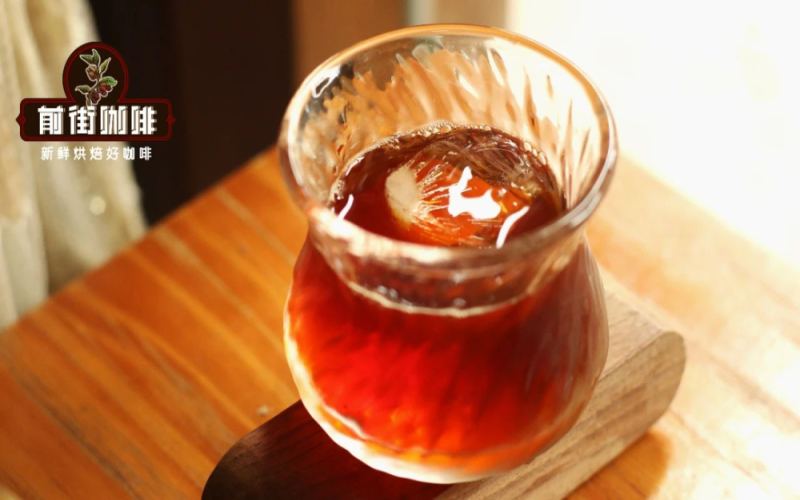
How Is Iced Pour-Over Different from Hot Pour-Over? Coffee-to-Water Ratio, Brewing Logic, and Front Street Coffee Bean Recommendations
As temperatures rise, the choice between iced pour-over and hot pour-over has become a topic of interest for many coffee lovers. The same bean, brewed as a hot drink or a cold drink, takes on completely different flavor directions. Behind this lie two different brewing logics: hot pour-over uses a full coffee-to-water ratio to extract and showcase the bean's original layers; iced pour-over reduces the water amount, increases extraction efficiency, and then relies on ice cubes to dilute and cool it down. Understanding these differences can help you more accurately judge how a bean is best brewed. This article will compare brewing principles, flavor expression, aroma characteristics, and more, and will also include Front Street's bean list recommendations for different taste preferences, so you can still enjoy the cup you love even in the heat of summer. [more…]

Analysis of Hot vs. Cold Flavor Differences in Pour-Over Coffee: Which Coffee Beans Are Better for Iced Pour-Over?
Front Street's store bean list is extensive, and many customers face a dilemma after choosing their coffee beans: should they make a hot pour-over or an iced pour-over? What exactly is the difference in flavor between the two? This article starts from Front Street's actual brewing parameters, analyzes the construction logic of iced pour-over, and conducts a hot-versus-cold comparison using four representative coffee beans—Ethiopia TOH Uraga, Papua New Guinea Bird of Paradise, Indonesia Golden Mandheling, and Colombia Flower Moon Night—evaluating them across three dimensions: aroma, flavor, and mouthfeel. The results show that hot pour-over generally has the advantage in aroma richness and layering, while iced pour-over is more popular in summer thanks to its cold-drink appeal. The article also points out that light-roast and anaerobic-process coffee beans are more suitable for making iced pour-over, while medium-dark roast beans are not very suitable. [more…]
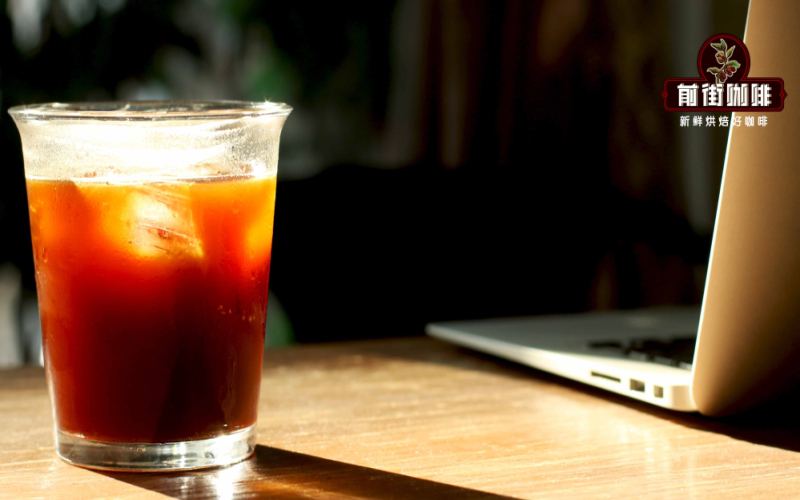
Iced Pour-Over Coffee Bean Selection Guide: Flavor Differences Between Hot and Iced Brewing and Front Street Coffee's Recommended Bean List
In the heat of summer, iced pour-over coffee becomes the top choice for many coffee lovers. But not all coffee beans are suitable for iced brewing, and there are clear differences in flavor and mouthfeel between hot pour-over and iced pour-over. Starting from Front Street Coffee's actual brewing methods, this article compares in detail the differences between iced pour-over and hot pour-over in grind size, coffee-to-water ratio, water temperature, and pouring technique, and uses three beans—Front Street Ethiopia Huakui, Brazil Queen's Estate Yellow Bourbon, and Indonesia Golden Mandheling—for flavor comparisons. It also sorts out the types of coffee beans suitable and unsuitable for making iced pour-over, and recommends standout beans such as Front Street Ethiopia TOH Washed Champion Bean Huaxu, Front Street Strawberry Candy, Front Street Blackberry, Front Street Colombia Sidra, and Front Street Big Belly, helping you choose the right beans in summer and make a clean, refreshing cup of good coffee. [more…]

Can iced pour-over coffee be brewed directly with ice water? A detailed explanation of the extraction principles and parameters of Japanese-style iced pour-over and hot pour-over
Many people, when first encountering iced pour-over, have this thought: since hot americano uses hot water and iced americano uses ice water, then if hot pour-over uses hot water, shouldn't iced pour-over just use ice water directly? This idea sounds reasonable, but pour-over extraction is far from that simple. This article will first clarify the underlying logic of extraction, then explain why brewing with ice water is theoretically feasible but almost no one actually does it in practice, followed by an analysis of the relationship between Japanese-style iced pour-over and hot pour-over, complete parameters from Front Street Coffee for both hot and iced brewing, and finally a real result from an ice water brewing experiment, for coffee enthusiasts' reference. [more…]
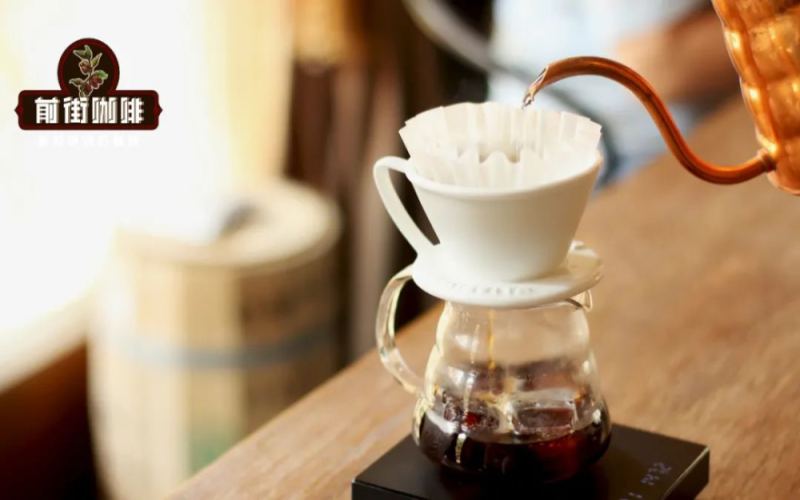
A Complete Analysis of the Flavor Differences Between Iced and Hot Pour-Over: Which Coffee Beans Are Better for Iced Brewing?
During the National Day holiday, many coffee enthusiasts visited the shop to buy coffee beans and also asked Front Street about a common confusion: the same beans, when brewed as hot pour-over, have excellent aroma and taste, but when made into iced pour-over, the flavor becomes vague, the mouthfeel is thin, and it even tastes like water. Why exactly is this? Front Street selected four coffee beans with different styles and conducted hot pour-over and iced pour-over extractions respectively, comparing them from the three dimensions of aroma, flavor, and mouthfeel. This article will take washed medium-light roast, natural medium-light roast, dark roast, and fermented beans as examples, presenting the true performance of each under the two brewing methods one by one, and deeply analyze the reasons why iced pour-over flavor becomes weaker. Finally, it will give suggestions for selecting coffee beans suitable for making iced pour-over, helping everyone enjoy a rich yet refreshing iced coffee even in hot weather. [more…]
Why Does Iced Pour-Over Coffee Taste Weaker? A Comparative Analysis of Hot and Cold Extraction with Four Different Coffee Bean Styles
Both are pour-over coffees, but just how big is the difference in taste between the hot version and the iced version? Many coffee enthusiasts have noticed that certain beans, when brewed hot, are full of aroma and layered with complexity, yet once turned into iced pour-over, they become as bland as water. To get to the bottom of this, Front Street Coffee selected four coffee beans with distinctly different profiles and brewed each as both hot pour-over and iced pour-over, comparing them one by one across three dimensions: aroma, flavor, and mouthfeel. This article not only presents the detailed comparison results, but also starts from the principles of extraction to explain why iced pour-over tends to lose flavor, and offers advice on selecting coffee beans suitable for making iced pour-over. [more…]
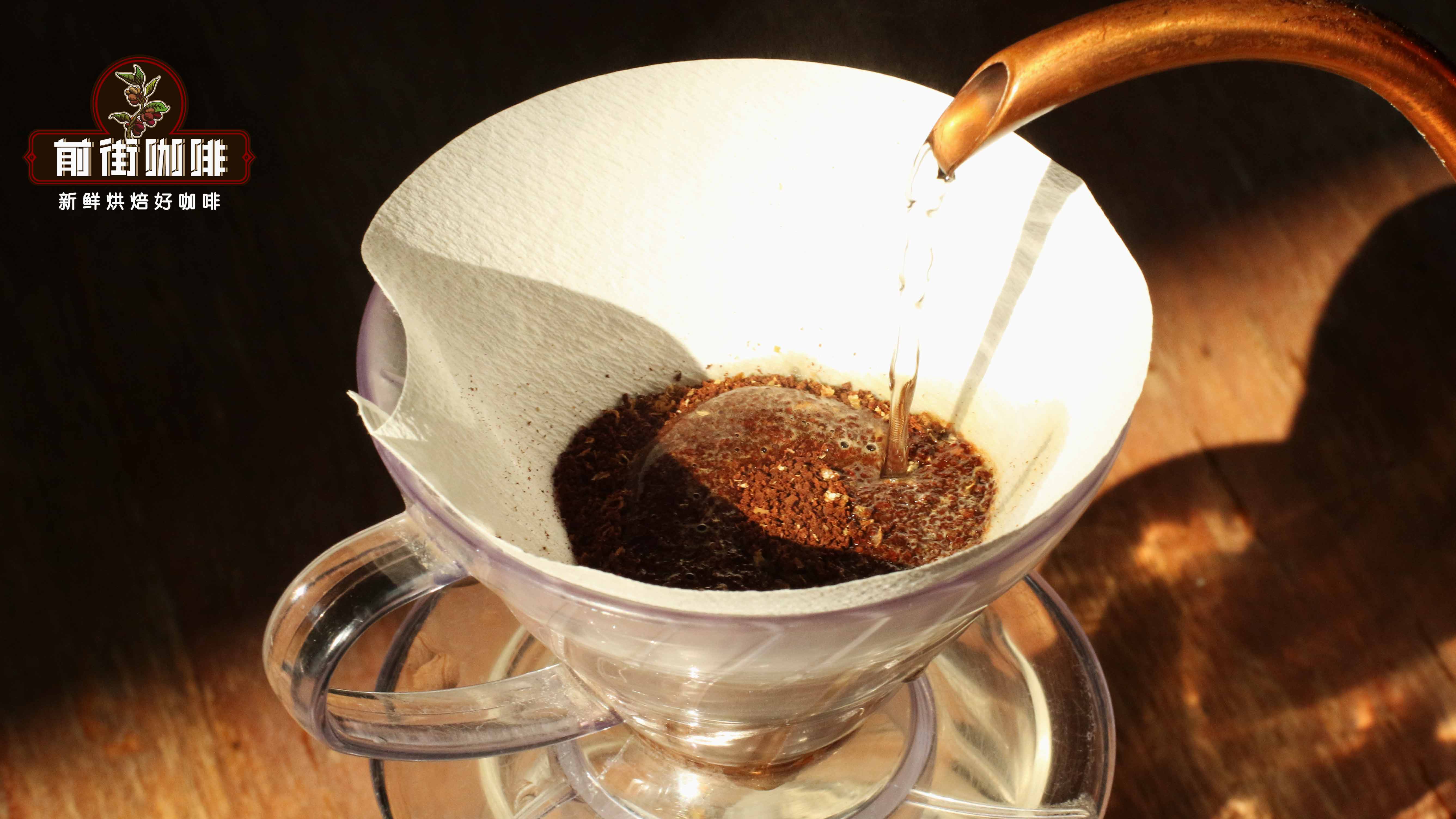
The Hot vs. Cold Pour-Over Coffee Debate: Why Choose Hot Brewing to Taste the Bean's True Flavor? The Principles of Japanese-Style Iced Pour-Over and Bean Selection Tips
Pour-over coffee, with its efficiency and convenience, has become a signature offering at many cafés. Brewed from the same bag of beans, hot and iced pour-over deliver completely different experiences. Drawing on everyday inquiries at Front Street stores, this article breaks down the differences between hot pour-over and Japanese-style iced pour-over in terms of grind size, water temperature, coffee-to-water ratio, and other parameters, explaining why hot pour-over has the edge when pursuing complete flavor, while also acknowledging the strengths of iced pour-over in cleanliness and refreshing crispness. At the end, it organizes pour-over bean recommendations from Front Street suited to different taste preferences—including Xizhua, Huakui, Strawberry Candy, as well as PWN Golden Mandheling, Queen's Estate, and Bird of Paradise—to help enthusiasts choose according to their needs. [more…]
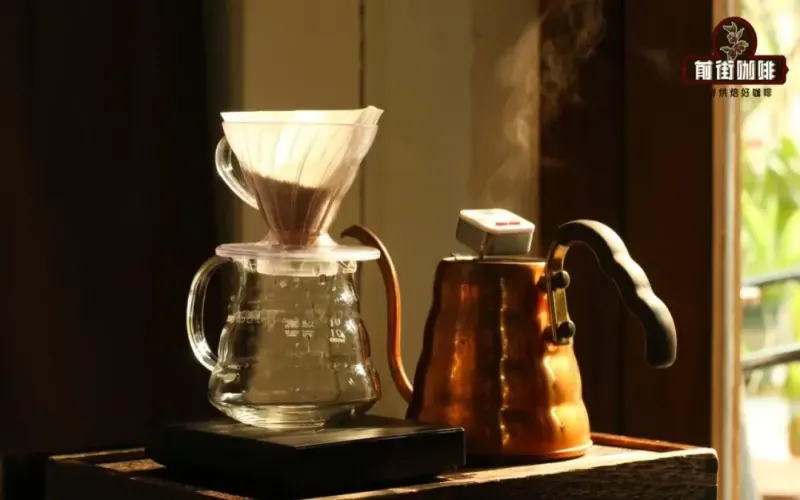
Can espresso blend beans be used for pour-over and cold brew? An analysis of grind size and water temperature parameters for dark roast coffee
Pour-over and espresso differ significantly in the texture of the final cup due to their different extraction methods and filtering devices—pour-over is cleaner, while espresso is richer and more full-bodied. This leads many people to try using espresso beans for pour-over, or pour-over beans for espresso. In reality, the two are simply different extraction methods, and there is no absolute boundary between the beans themselves. However, espresso beans are usually roasted darker, so when used for pour-over, the parameters need to be adjusted to reduce extraction efficiency and avoid over-extraction. This article will specifically explain how to set key parameters such as grind size, water temperature, and coffee-to-water ratio when using espresso blend beans to make pour-over and cold brew coffee, and will recommend several Front Street Coffee beans that work well for espresso, pour-over, and cold brew alike. [more…]